
How Florida's Heavy Rain Can Affect Your Septic System
In Palm Bay, summer storms and tropical systems can arrive fast and drop inches of water in a single afternoon. That much rain changes how a septic system works, sometimes within hours. If you understand what heavy rain does to a tank and drainfield, you can spot problems early and protect your home.
Below, we explain why Florida septic systems face extra stress during downpours, the warning signs to watch for after a storm, and how a licensed pro restores your system's performance. When you need hands-on help, schedule reliable septic system service with the local team you trust at SOS Septic or Sewer.
Why Heavy Rain Hits Florida Septic Systems Hard
Florida's mix of sandy soils, flat grades, and a naturally high water table creates special challenges for onsite wastewater systems. In Palm Bay and across Brevard County, rain often falls in short, intense bursts. The ground can become saturated before it has time to drain, which slows the soil's ability to treat and disperse the water coming from your home.
During the June through September rainy season, afternoon thunderstorms stack up day after day. Add a tropical storm or hurricane, and groundwater can rise to the same level as your drainfield. When that happens, the system loses the dry, oxygen-rich soil it needs to break down wastewater.
What Heavy Rain Does to Your Septic System
Think of your septic system like a relay. Wastewater flows from the house to the tank, then moves to the drainfield where the soil finishes the job. Heavy rain disrupts each stage of that relay.
- Inflow spikes: Showers, laundry, and dishwashing add up indoors while stormwater presses in outdoors.
- Slower separation: High water around the tank can stall normal settling and reduce holding capacity.
- Drainfield saturation: Soil pores fill with rainwater, so effluent has nowhere to go and can back up.
- Surface pooling: Standing water over the field prevents oxygen from reaching microbes that treat waste.
When these pressures build, you may notice sluggish drains, gurgling pipes, or damp patches in the yard. In the worst cases, wastewater can surface near the drainfield. Avoid driving over a saturated yard or drainfield, since weight compacts wet soil and can damage buried lines.
Local insight: In Palm Bay neighborhoods like Port Malabar and Bayside Lakes, quick afternoon downpours can lift the water table for days. Homes near Turkey Creek or the Indian River Lagoon often see slower soil recovery because low-lying areas hold moisture longer.
Signs Your Septic System is Struggling After A Storm
After heavy rain, stay alert to changes inside and outside your home. These common septic system problems point to saturated soil or hydraulic overload:
- Gurgling toilets or floor drains that bubble when other fixtures run
- Slow sinks, showers, or tubs that seem to worsen at the same time
- Wet, spongy ground or bright green grass stripes over the drainfield
- Persistent sewage odors near the tank, cleanouts, or leach area
- Water backing up at the lowest fixture during laundry or long showers
If you smell sewage indoors or see wastewater backing up, call a licensed professional right away. Those are health hazards and can signal a system that needs immediate attention.
Palm Bay Weather Patterns That Raise Risk
Palm Bay sits in a coastal climate where rainfall can top several inches in a single event. Afternoon heat builds fast, sea breezes collide, and storms dump water across Port Malabar, Lockmar, and the Emerson Drive corridors. Larger systems in West Melbourne and Melbourne can drain into the same aquifer, which means a regional rise in groundwater after a week of rain. Even when your yard looks dry, the subsurface may still be saturated.
In fall, tropical systems can track up the coast and linger for days. That long, steady rainfall is harder on the drainfield than a quick shower. Homes in Malabar and Grant-Valkaria with lower elevations may see water stand longer, so local conditions matter as much as total rainfall.
How A Professional Inspects and Stabilizes Your System After Rain
A thorough post-storm visit focuses on safety, hydraulics, and soil conditions. Here is what a licensed technician from SOS Septic or Sewer typically evaluates before recommending next steps:
Do not pump a flooded tank until groundwater recedes enough for safe, stable operation. Pumping too soon can float or shift an empty tank in saturated soil, which risks expensive structural damage. A pro first checks water levels inside the tank and around the field to decide when pumping is safe.
Next, the technician confirms flow from the house, inspects inlet and outlet baffles, and checks filters where installed. If safe, they may perform a camera inspection to rule out blockages or broken lines. The drainfield area is then assessed for saturation, ponding, and runoff patterns that could be pushing stormwater over the field.
When conditions allow, the visit may include cleaning effluent filters, clearing clogs, and pumping to restore capacity. If grading or downspouts are directing water toward the field, the tech will recommend drainage adjustments by qualified contractors. For recurring issues, your pro may talk with you about advanced solutions sized for Florida septic systems, such as time-dosed dosing or enhanced pretreatment units.
If you're dealing with repeated wet-weather issues, schedule dedicated septic system service to benchmark tank levels and test field recovery times between storms.
Preventive Care Before the Next Downpour
Prevention limits stress on your system and buys you margin during storm season. In Palm Bay, it pays to time maintenance before the heaviest rains arrive. Work with a licensed provider to build a plan that fits your household size, soil type, and usage pattern.
Practical steps to discuss with your pro include:
- Routine inspection and pumping on a schedule that matches your tank size and family usage
- Redirecting roof runoff and yard drains away from the drainfield, especially on small lots
- Protecting the field with proper setbacks for parking, sheds, and landscaping
- Upgrading access risers and lids to speed safe service during bad weather
- Evaluating whether high-efficiency fixtures could reduce peak flows
These ideas reduce hydraulic load so the soil can breathe and recover faster after a rain event. They also help you avoid avoidable septic system problems that tend to show up at the worst time, like a holiday weekend storm.
What Heavy Rain and Septic Systems Mean for Daily Life
Storms change routines. After a major rain, try to spread out high-volume activities until the yard dries. Shorter showers, spacing laundry, and limiting dishwasher cycles for a day or two lower the load on a saturated field without putting off normal life. It is a small shift that helps the microbes catch up and keeps wastewater from backing up.
Yard care also matters. Keep deep-rooting, water-loving plants away from the field. Direct irrigation away from the area during wet weeks. And remember, standing water over your drainfield is a sign to pause heavy water use and call a professional for guidance instead of waiting for the problem to grow.
Local Factors We See
Homes near canals and natural low spots collect water longer. Lots carved from older sections of Port Malabar may have legacy grading that tilts stormwater toward the backyard, right where a drainfield often sits. Newer subdivisions like Bayside Lakes sometimes feature compacted fill beneath sod, which can slow percolation after a week of showers. None of this means your system is broken; it just means the design has less cushion when Florida skies open up.
Because many Palm Bay properties rely on sandy soils, rain can seem to vanish quickly from the surface. The challenge hides underground, where rising groundwater squeezes the treatment zone. That is why a system can work fine all winter, then struggle through a few wet weeks in August.
When to Call A Local Septic Pro in Palm Bay
Call as soon as you notice backups, sewage odors, or standing water over the drainfield. Early attention often prevents a small hydraulic issue from becoming a full system shutdown. If storms are forecast, a quick check can confirm your tank level and filter condition so you start the week with extra capacity.
You can always reach SOS Septic or Sewer for friendly, professional septic services at 321-951-7335. Need fast septic system service in Palm Bay? Call 321-951-7335 and our licensed team will get you scheduled today.
Our Complete Services
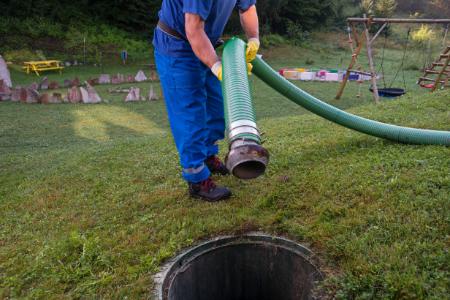
Septic Pumping
Septic pumping removes accumulated sludge and scum from the tank before excessive buildup creates additional problems for the wastewater system. SOS Septic or Sewer provides service for homeowners and light commercial properties throughout Palm Bay, Melbourne, West Melbourne, and surrounding communities. Call 321-951-7335 to schedule and […]
Learn More About Septic Pumping
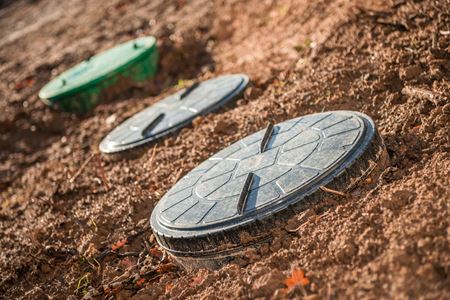
Septic System Service
Septic system service gives homeowners, property managers, and businesses a reliable way to address routine wastewater needs and changing system conditions. SOS Septic or Sewer serves Palm Bay, Melbourne, West Melbourne, and surrounding communities with service based on the needs of each property. Call 321-951-7335 to […]
Learn More About Septic System Service
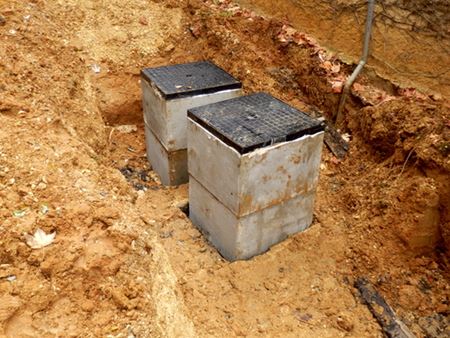
Lift Station Pumping
Lift station pumping removes accumulated wastewater and debris from systems that help move wastewater where gravity alone isn't enough. SOS Septic or Sewer provides this service for homes, HOAs, businesses, and other properties throughout Palm Bay, Melbourne, West Melbourne, and surrounding communities. Routine attention can help […]
Learn More About Lift Station Pumping
Grease Trap Pumping
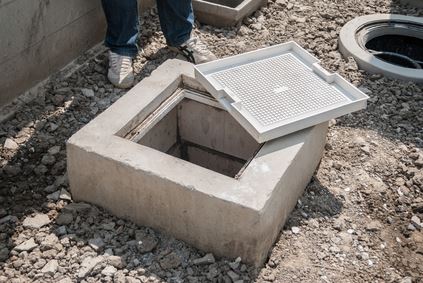
Grease trap pumping removes built-up fats, oils, grease, and food solids that can reduce interceptor capacity and contribute to drainage problems. SOS Septic or Sewer works with restaurants, cafeterias, and other commercial kitchens throughout Palm Bay, Melbourne, West Melbourne, and the surrounding communities. We coordinate service […]
Learn More About Grease Trap Pumping
Septic Maintenance
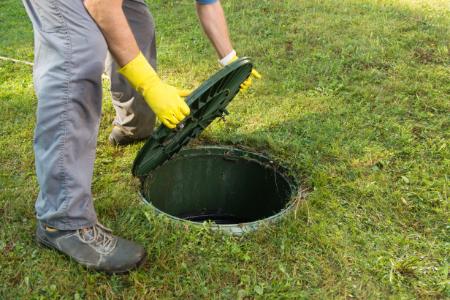
Septic maintenance gives homeowners and businesses a proactive way to stay aware of changing system conditions before they become more disruptive. SOS Septic or Sewer serves Palm Bay, Melbourne, West Melbourne, and the surrounding communities with routine care designed around the needs of each property. Call […]
Learn More About Septic Maintenance

Commercial Septic Services
Our team provides commercial septic services for restaurants, retail centers, offices, industrial sites, schools, and associations throughout Palm Bay, Melbourne, West Melbourne, and the surrounding communities. From pumping and routine care to urgent wastewater problems, we help businesses stay ahead of disruptions with service tailored to […]
Learn More About Commercial Septic Services
Emergency Septic Service
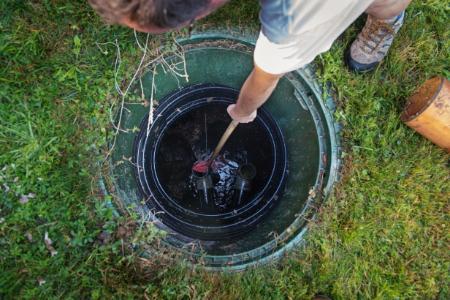
Septic backups, overflowing wastewater, and unexpected system alarms need quick attention. Our emergency septic service helps homeowners and businesses throughout Palm Bay, Melbourne, West Melbourne, and the surrounding communities respond when a septic problem can't wait for normal business hours. With 24/7 telephone access for emergencies, […]
Learn More About Emergency Septic Service

Need Septic Service? Call Now For Local Help